
Storms and high humidity are forecast in Atlanta ahead of the England vs Argentina World Cup semi-final, threatening preparations but not the match itself: the stadium’s roof and a narrowing storm window make a full 90 minutes the most likely outcome, though travel disruptions remain the main wildcard.
Atlanta weather forecast ahead of England vs Argentina World Cup semi-final
Weather models show a spell of thunderstorms and high humidity across Atlanta in the days leading up to the World Cup semi-final between England and Argentina. Forecasts predict periods of heavy downpours, lightning and temperatures pushing the high 20s–30s Celsius, with humidity near 77% and only light breezes expected.
How likely is a delay or abandonment?
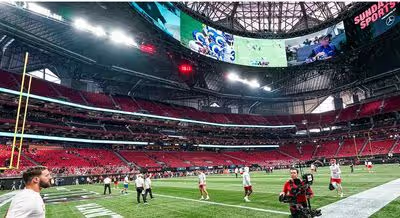
The immediate risk to the match starting on time is limited. The storm window is forecast to ease roughly 36 hours before kick-off, and Mercedes‑Benz Stadium’s roof removes the primary reason for an in-play abandonment: torrential rain on the pitch. Organisers have already navigated similar conditions at this tournament, helping keep the schedule largely intact.
Why the roof changes the calculus
A retractable/covered stadium turns weather from a match-stopping variable into a logistical challenge. Teams can train indoors, the playing surface is protected and television schedules remain viable. The bigger risks are travel delays — roads, airport disruption or local flooding — that could prevent teams or officials reaching the ground on time.
What this means for England and Argentina
England arrive after a dramatic run powered by Jude Bellingham and under Thomas Tuchel’s pragmatic management. Argentina remain propelled by Lionel Messi’s influence and the momentum of the reigning champions. On-pitch conditions inside the stadium should be stable, meaning tactical matchups and player management will decide the tie, not the weather.
Preparation and match-day routines
High humidity and summer heat in Atlanta affect preparation rather than the match itself when a roof is in play. Teams will prioritise hydration, recovery and indoor training sessions to replicate match conditions. Coaching staff must also prepare contingency travel plans in case of local floods or transport interruptions.
Context: weather has already impacted this tournament
This World Cup has seen weather intervene before: matches in high-altitude or storm-affected venues have been delayed or disrupted, forcing teams to be flexible. England experienced a delay earlier in the tournament and Argentina have also had matchday complications. Those precedents underline the importance of logistical readiness even when the stadium can keep the game playable.
What to watch next
Monitor local forecasts in the 48 hours before kick-off for any late changes. The most likely scenario remains a full match on schedule, with travel disruption the principal contingency. For managers, the immediate focus will be on selection and tactics rather than adapting strategy to open-air conditions.
Bottom line
Weather in Atlanta presents an operational headache but not a competitive one.
New Liverpool boss Iraola presses for signings amid injury crisis and summer departures
With the stadium roof and a waning storm window, the England vs Argentina semi-final looks set to be decided on form, tactics and individual moments — the very things that matter in a match of this magnitude.
 Givemesport