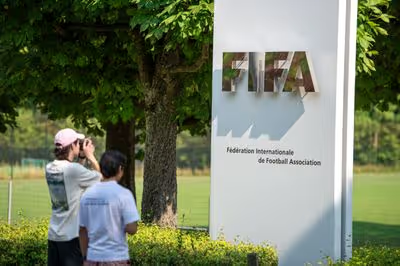
FIFA’s plan to carve out its commercial arm and sell a stake to outside investors has collapsed after fierce opposition from European federations, major clubs and member associations. The proposed deal with Thrive Capital and JPMorgan would have valorized FIFA’s rights at about $20 billion; instead it has exposed deep governance fractures, sparked senior resignations and left Gianni Infantino’s leadership on precarious ground ahead of next year’s presidential election.
What happened: a bold privatization plan implodes
FIFA proposed transferring TV rights, sponsorships, licensing and ticketing into a new for-profit vehicle — a move designed to monetize the organization’s richest assets. The blueprint envisaged selling roughly 20% of that commercial arm to outside investors, valuing the entity near $20 billion and raising up to $4.2 billion. Backlash from Europe and the sport’s commercial stakeholders was immediate. UEFA and the continent’s leading leagues warned that clubs and national teams might boycott FIFA events if the deal proceeded, effectively gutting the World Cup’s value to broadcasters and sponsors.
Facing that political and commercial risk, investor momentum stalled and the proposal was effectively abandoned.
Why the proposal failed
Political resistance from Europe and the clubs
The strongest opposition came from UEFA and the clubs that generate the bulk of global football’s revenue. Their message was blunt: handing a slice of the sport to private owners would erode national federations’ control and threaten domestic competitions’ interests. Without players and clubs from England, Spain, Germany, Italy and France, FIFA’s tournaments lose audience and negotiating leverage.
Governance and transparency concerns
The episode highlighted internal distrust. Senior FIFA executives publicly criticized the process as opaque and centralized, framing the plan as the work of a small group rather than a collective decision. That governance critique resonated with many member associations, who viewed the proposal as a top-down power play rather than a consultative reform.
Commercial reality check
Even if the math on paper looked attractive, the market reaction made clear that broadcasters and sponsors won’t pay top dollar for competitions that could be weakened by boycotts. The prospect of losing the marquee European markets devalued the assets and undermined investor appetite.
Immediate fallout and leadership consequences
Senior departures and public dissent have followed. A senior adviser resigned over the proposal, and FIFA’s chief operating officer openly condemned the project’s handling, citing lack of transparency and governance. Those developments have amplified calls for accountability and given momentum to critics ahead of the next presidential election.
UEFA figures are exploring alternatives to the current leadership, and influential national associations are reconsidering their endorsements. The political fallout now threatens to dominate FIFA’s agenda, with the organization forced into damage control rather than strategic reform.
What this means for FIFA, investors and the World Cup
FIFA must now reconcile two competing imperatives: professionalize and commercialize its operations while preserving the trust of member associations and European football’s stakeholders. The failed sale sends a message to private equity and strategic investors that football is politically complex and resistant to simple financialization.
For investors and banks that examined the deal, the lesson is clear — global football requires buy-in from federations, leagues and clubs, not only capital. For the World Cup and broadcasters, short-term stability is restored, but confidence in FIFA’s governance has been dented.
What comes next
Expect FIFA to retreat from open sale discussions and explore more palatable ways to optimize commercial returns within the nonprofit framework. That could mean tighter internal commercialization structures, clearer governance safeguards, and broader consultation with confederations and clubs.
Politically, the episode makes the upcoming presidential contest a referendum on leadership and transparency. The organization faces a choice: pursue modernization through inclusive reform or risk continued division that could impair future rights negotiations and the appeal of FIFA competitions.
Bottom line
The episode was a stark reminder that football’s money flows are inseparable from its politics.
Any future attempt to bring private capital into the sport will need exhaustive stakeholder buy-in, ironclad governance reforms and a narrative that reassures clubs, confederations, broadcasters and fans alike.
 New York Post