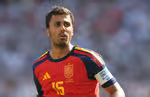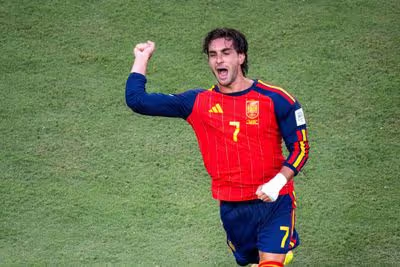
Ferran Torres, Spain's extra-time match-winner in the 2026 World Cup final at MetLife Stadium, has been honoured in Valencia after L'Oceanografic renamed a two-metre sandbar shark "Ferran" to raise awareness of an endangered species. Spain coach Luis de la Fuente also publicly condemned Argentina's post-match aggression, underscoring both the cultural reach and the controversial aftermath of the final.
Ferran Torres honoured with sandbar shark renaming in Valencia
Ferran Torres' decisive 106th-minute strike in the 2026 FIFA World Cup final resonated far beyond New Jersey, earning the Spain forward an unusual civic tribute: L'Oceanografic in Valencia has renamed a two-metre sandbar shark "Ferran" to highlight shark conservation.

The gesture ties a national sporting moment to environmental advocacy, reflecting Torres' existing public work with animal-welfare causes and his shark-themed goal celebration. It is a rare example of a single goal translating into cultural and conservation capital almost instantly.
Why the renaming matters
The sandbar shark is listed as endangered, and the renaming leverages Torres' fame to spotlight marine conservation. For Valencia — Torres' hometown region and a club where he developed — the tribute also serves as civic pride, linking local identity with global sporting success. This is effective soft power: football fame used to amplify a scientific and conservation message.
How the winner cemented Torres' legacy
Torres entered the final as a substitute and left it as a national hero, his late strike delivering Spain a second World Cup title. Beyond the trophy, the goal reshaped narratives about his career trajectory: from a Valencia academy product to a decisive international finisher. The moment will likely be replayed in highlight reels and used as a defining chapter in his career profile.
De la Fuente condemns Argentina's post-match conduct
Spain manager Luis de la Fuente publicly denounced the aggressive behaviour of several Argentina players and staff after the final whistle, calling it "intolerable" and "unacceptable." He praised his own players for maintaining composure amid confrontations that included shoving and heated exchanges, framing Spain's response as professional and controlled.
What the confrontation means for the sport
The altercation tarnished an otherwise historic occasion and raises questions about post-match security and sportsmanship on football's biggest stage. While emotions run high in finals, incidents of physical aggression between senior professionals undermine the game's image and could prompt disciplinary scrutiny by governing bodies. Spain's measured reaction bolstered their moral standing in the immediate aftermath.
Broader implications: legacy, reputation and looking ahead
Torres' goal and the subsequent honours in Valencia crystallise how single sporting moments can be converted into lasting civic and cultural touchstones. Spain now carries momentum not only as champions but as guardians of a narrative that mixes sporting excellence with public responsibility — a message amplified by the conservation angle.
With Spain set to be a co-host for the 2030 World Cup, that narrative will be examined against the pressures of expectation and the need to manage national team conduct on the world stage.
What to watch next
Monitor any official disciplinary responses regarding the post-final incidents and how national federations handle accountability.
Lopez praised for sportsmanship amid Argentina's post-final chaos after Spain's extra-time win
Watch also how Torres leverages this moment: the shark renaming is symbolic, but its lasting impact depends on sustained advocacy and how his career unfolds after a career-defining goal.
 Sportskeeda